

The Government of India has established multiple legal and regulatory safeguards to address potential harms arising from artificial intelligence and related digital technologies, with a particular focus on protecting children and ensuring responsible use of emerging technologies.
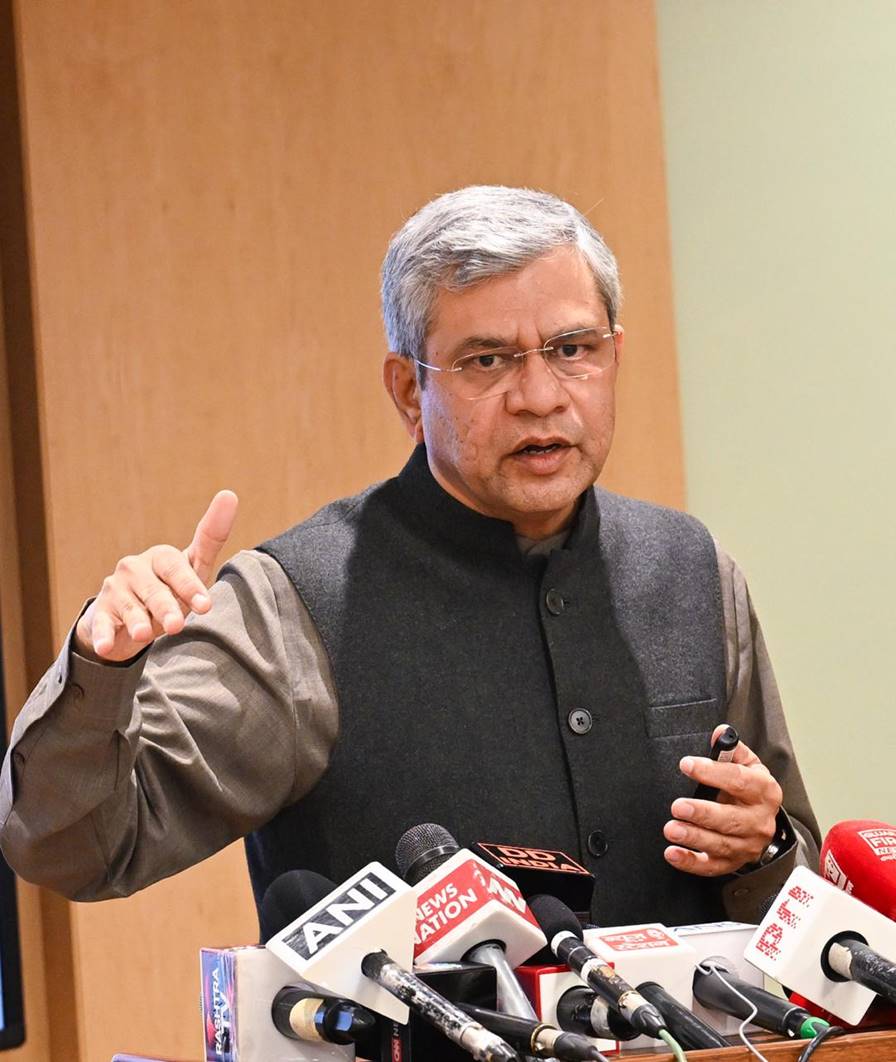
The details were presented in the Lok Sabha by Union Minister for Electronics and Information Technology Ashwini Vaishnaw in response to a parliamentary query on the regulatory framework governing artificial intelligence and digital safety.
India AI Strategy Focused On Responsible Technology
According to the Ministry of Electronics and Information Technology, India’s artificial intelligence strategy is aligned with the vision of Prime Minister Narendra Modi to democratise technology and ensure that digital innovations address India centric challenges while improving the quality of life for citizens.
At the same time, the government has recognised that the rapid expansion of artificial intelligence systems and digital technologies may create risks, particularly for vulnerable groups such as children. To address these concerns, a series of legal safeguards, regulatory frameworks and awareness programmes have been introduced.
Safeguards Under Information Technology Act
One of the primary legal frameworks governing digital platforms in India is the Information Technology Act 2000 along with associated rules.
Under this law, intermediaries including social media platforms are required to prevent hosting or sharing content that may harm children. This includes sexually explicit material, violent content or any form of abusive material involving minors.
Digital platforms are required to remove unlawful content within three hours of receiving a notification from the government or a court order. In cases involving non consensual sexual or intimate content, the removal timeline is two hours.
Intermediaries are also required to report offences related to such content to appropriate law enforcement agencies under relevant laws such as the Bharatiya Nagarik Suraksha Sanhita 2023 and the Protection of Children from Sexual Offences Act 2012.
Protection Of Children Data Under Digital Personal Data Protection Act
The Digital Personal Data Protection Act 2023 and its associated rules notified in 2025 provide specific safeguards for children in the digital ecosystem.
The law covers personal data collected through various technologies including artificial intelligence enabled devices such as smart toys and connected digital systems.
The legislation mandates that any processing of personal data belonging to a child must be carried out only after obtaining verifiable consent from a parent or lawful guardian.
The rules also define operational mechanisms for verifying parental consent through identity verification, age verification and digital token based authentication systems.
Additionally, the law prohibits tracking, behavioural monitoring and targeted advertising directed at children through digital platforms or technology based products.
Data Protection And Privacy Regulations
The Information Technology Rules relating to reasonable security practices and procedures for handling sensitive personal data and information require organisations to collect personal data only for specific declared purposes.
Entities handling such information must obtain consent before sharing personal data and must also publish privacy policies outlining how data is collected, stored and used.
Sensitive personal data cannot be publicly disclosed and third parties receiving such data are prohibited from further sharing it without proper authorisation.
Responsible Artificial Intelligence Governance
India has also developed guidelines for responsible and human centric artificial intelligence development.
The India AI Governance Guidelines recognise children as a particularly vulnerable group that may face risks from AI driven technologies.
The guidelines recommend risk assessment frameworks and continuous monitoring of AI related harms in order to help policymakers understand emerging threats and design appropriate governance measures.
These frameworks encourage developers and technology companies to design AI systems that minimise risks and prevent unintended consequences.
Toy Safety And Digital Content Regulations
Products such as smart toys that incorporate artificial intelligence or digital connectivity are regulated through multiple frameworks.
All toys sold in India must comply with the Toy Quality Control Order and standards issued by the Bureau of Indian Standards.
In addition, any harmful or explicit digital content involving children is regulated under provisions of the Information Technology Act, the Information Technology Rules and the Protection of Children from Sexual Offences Act.
These regulations aim to ensure that products marketed to children do not expose them to harmful digital experiences or unsafe online environments.
Cyber Security Awareness And Capacity Building
The government has also implemented extensive public awareness initiatives to strengthen cyber safety practices among citizens.
The Information Security Education and Awareness programme has conducted more than 4,309 awareness workshops across the country involving over 9.63 lakh participants including students, teachers, law enforcement personnel and government officials.
Among these initiatives, 1,186 workshops specifically targeted school students and children and reached more than 3.38 lakh participants.
In addition, about 1.13 lakh teachers, police personnel and volunteers have been trained as master trainers through sixty six specialised programmes. These trained individuals are estimated to have indirectly reached nearly fifteen crore beneficiaries through awareness activities and training sessions.
Research And Studies On Digital Safety For Children
The National Commission for Protection of Child Rights has conducted studies to examine the impact of digital technologies on children.
One of the major studies carried out by the commission in 2021 examined the physical, behavioural and psychosocial effects of mobile phones and internet enabled devices on children.
The commission has also issued multiple guidelines on cyber safety and online protection of children.
These include awareness materials titled Being Safe Online designed for children, parents, educators and the general public.
Guidelines on cyber safety have also been incorporated into safety manuals for schools and educational institutions.
In addition, guidelines for prevention of bullying and cyber bullying in schools have been issued to strengthen protection for students in digital environments.
The National Council of Educational Research and Training has also published a handbook on safe online learning to help schools and students navigate digital education safely.
Strengthening National Response To Cybercrime
The Government of India has taken several additional measures to strengthen the national response to cybercrime, particularly offences involving children.
The Ministry of Home Affairs operates the National Cyber Crime Reporting Portal which allows citizens to report cyber offences including crimes against children.
The Indian Cyber Crime Coordination Centre has been established to ensure coordinated action among law enforcement agencies in addressing cybercrime including online child exploitation.
Financial assistance is provided to states and union territories under the Cyber Crime Prevention Against Women and Children scheme to support the establishment of cyber forensic laboratories and training programmes for police officers, prosecutors and judicial personnel.
Authorities also periodically block websites containing child sexual abuse material based on inputs from international law enforcement agencies including Interpol.
Internet service providers have been directed to dynamically block access to such websites using international databases maintained by organisations such as the Internet Watch Foundation in the United Kingdom and Project Arachnid in Canada.
Service providers have also been encouraged to promote parental control filters that allow families to restrict access to unsafe online content.
International Cooperation On Child Protection
To strengthen international cooperation in combating online child exploitation, the National Crime Records Bureau has signed a memorandum of understanding with the National Center for Missing and Exploited Children in the United States.
Under this arrangement, reports related to online child sexual exploitation are shared through secure channels and transmitted to Indian authorities through the national cybercrime portal for immediate action by state and central agencies.
Expanding Public Awareness On Cyber Safety
Public awareness campaigns are also conducted through initiatives such as CyberDost, radio broadcasts and educational campaigns targeting students and parents.
Government agencies have published educational handbooks and digital safety guides to promote responsible internet use among young users.
Officials said the combined legal framework, regulatory mechanisms and public awareness initiatives form a comprehensive approach to ensure that artificial intelligence and digital technologies are deployed in a safe and responsible manner.
The government emphasised that while artificial intelligence presents significant opportunities for innovation and economic growth, safeguarding citizens particularly children from potential risks remains a critical policy priority.