
The Government has intensified efforts to transform India’s textile sector into a globally competitive, environmentally sustainable and innovation driven industry through a combination of green manufacturing initiatives, large scale infrastructure development and export promotion measures.
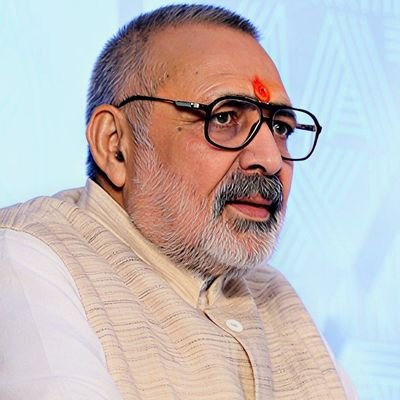
Minister for Textiles Giriraj Singh outlined a comprehensive set of initiatives in a written reply in Lok Sabha, detailing policy interventions spanning sustainable production, technological upgradation, infrastructure expansion and global market integration.
A central focus of the Government’s strategy is the promotion of green textiles through environmentally responsible production processes and sustainable consumption patterns. A pilot project titled Eliminating Hazardous Chemicals from Apparel Fashion Supply Chain in India is currently being implemented across eight clusters and four fashion houses.
The initiative aims to facilitate the transition towards eco friendly and organic textile production by reducing the use of harmful chemicals in manufacturing processes. It also seeks to generate consumer demand for sustainable clothing through awareness campaigns, thereby aligning production practices with evolving global sustainability standards.
To provide strategic direction, an Environment Sustainability and Governance Task Force has been constituted as a multi stakeholder platform to deliberate on issues related to sustainable production, certification, exports and compliance. The task force has facilitated industry centric programmes such as Circular Samvaad and Cluster Exchange Mechanism, enabling knowledge sharing and dissemination of best practices across the textile value chain.
The Government has also undertaken technical studies and prepared reference documents outlining best available techniques for the sector. These include comprehensive industry documents and roadmaps focused on improving water and energy efficiency, chemical management and waste reduction in textile manufacturing.
Under the Amended Technology Upgradation Fund Scheme, which remained operational until March 31, 2022, more than 1117 energy efficient machines were supported, contributing to resource efficiency and reduced environmental impact in textile units.
Infrastructure development has been strengthened through the Integrated Processing Development Scheme, which aims to address pollution challenges in textile processing by supporting the establishment and upgradation of Common Effluent Treatment Plants.
Six major projects approved under the scheme are implementing advanced technologies such as Zero Liquid Discharge and Multi Effect Evaporator systems to ensure effective wastewater treatment and recycling. The scheme, though no longer accepting new projects, continues to support ongoing commitments.
The total project cost of approved Integrated Processing Development Scheme projects stands at 705.2 crore rupees, with Government grants amounting to 213.02 crore rupees. Projects in Rajasthan and Gujarat, including facilities in Barmer, Jaipur, Pali and Palsana, are at various stages of completion and implementation, with several nearing completion.
In a major push towards integrated textile manufacturing, the Government has approved the establishment of seven PM Mega Integrated Textile Region and Apparel Parks across Tamil Nadu, Telangana, Gujarat, Karnataka, Madhya Pradesh, Uttar Pradesh and Maharashtra, with a total outlay of 4445 crore rupees to be implemented over a period extending up to 2027 28.
These parks are designed as large scale integrated ecosystems that combine manufacturing units, processing facilities, logistics infrastructure and common utilities. They incorporate environmentally sustainable features such as Common Effluent Treatment Plants, wastewater recycling systems and scientific waste management to minimise ecological impact.
Significant progress has been reported in land acquisition and infrastructure development across all seven locations. In Madhya Pradesh, 2158 acres of land have been acquired, with infrastructure works worth over 817.19 crore rupees under execution. Uttar Pradesh has seen works worth 990.71 crore rupees underway, while Maharashtra, Telangana, Tamil Nadu and Gujarat are also advancing infrastructure development at scale.
Under the Development Capital Support component of the scheme, 160 crore rupees has been released to states including Madhya Pradesh, Tamil Nadu, Telangana and Maharashtra. Additionally, external infrastructure works worth 2160.17 crore rupees have been initiated, with an expenditure of 564.72 crore rupees incurred so far.
Investor interest in the PM MITRA Parks has been substantial. In Madhya Pradesh alone, over 1130 acres of land have been allotted with proposed investments exceeding 21436.91 crore rupees. Tamil Nadu has attracted investment proposals of over 2192.21 crore rupees, while Telangana has already grounded investments worth 3862 crore rupees.
Overall, investment interest across all parks has reached approximately 63177 crore rupees. Each park is expected to generate around three lakh direct and indirect employment opportunities across the textile value chain, benefiting local communities and contributing to regional economic development.
Complementing these efforts, research and development initiatives under the National Technical Textiles Mission are focusing on waste to fibre technologies, enabling the conversion of textile waste, biomass and bio residues into advanced materials such as carbon fibres and functional textiles.
The Government is also supporting sustainability among Micro and Small Enterprises through schemes such as MSE GIFT and MSE SPICE under the Raising and Accelerating MSME Performance programme. These schemes provide financial incentives including interest subvention and capital subsidies to encourage adoption of green practices.
On the export front, India’s handloom sector continues to maintain a strong presence in global markets. The United States remains the largest destination for handloom exports, followed by the United Arab Emirates, Netherlands, France and the United Kingdom.
Export data indicates sustained demand across developed and emerging markets, with notable growth in destinations such as the United Arab Emirates and European countries. The Government is actively supporting export promotion through the National Handloom Development Programme, which includes the Handloom Marketing Assistance component aimed at strengthening domestic and international market linkages.
Through the Handloom Export Promotion Council, Indian weavers and exporters are facilitated to participate in international exhibitions, trade fairs, buyer seller meets and major events such as Bharat Tex and the India International Trade Fair. These initiatives enhance global visibility and provide direct access to international buyers.
The India Handloom brand, launched to promote high quality, authentic and environmentally sustainable products, continues to position Indian handloom offerings in premium global segments. The brand emphasises 100 percent handloom production using natural fibres, skin friendly dyes and socially compliant processes, aligning with the zero defect and zero effect philosophy.
Officials stated that the integrated policy approach combining sustainability, infrastructure development, technological innovation and market expansion is expected to significantly enhance India’s competitiveness in the global textile sector.
The initiatives are also aligned with broader national priorities of environmental sustainability, employment generation and value addition, positioning the textile sector as a key driver of inclusive and sustainable economic growth.