
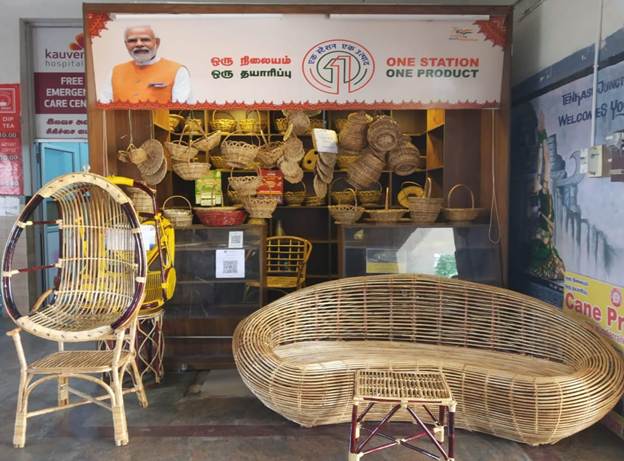
Indian Railways’ One Station One Product initiative has emerged as a transformative platform for promoting regional identity, reviving traditional crafts and strengthening grassroots entrepreneurship across the country. By integrating local heritage with the national railway network, the scheme is converting railway stations into vibrant showcases of India’s diverse cultural and artisanal legacy.
As of January 19, 2026, One Station One Product outlets have been established at 2,002 railway stations, with a total of 2,326 outlets currently operational. Since its launch in 2022, the initiative has generated direct economic opportunities for more than 1.32 lakh beneficiaries, providing artisans, weavers and small producers with direct access to millions of railway passengers every day.
The initiative has become a steady source of livelihood for local communities by offering direct market access at high footfall locations. Artisans who earlier struggled with limited visibility and fragmented supply chains are now able to sell their products directly to consumers, ensuring better price realisation and sustained income.
Beyond the scale of expansion, One Station One Product is playing a crucial role in reviving traditional crafts and regional specialties that were gradually losing prominence. From handmade pottery and bamboo products in the North East to spices, handlooms, handicrafts and local sweets in other regions, each outlet reflects the unique cultural identity of its region and brings that experience to travellers.
By blending commerce with culture, Indian Railways has transformed stations into centres of local enterprise while enhancing the overall passenger experience. Railway stations are no longer just transit points but have become spaces where travellers engage with India’s regional craftsmanship and culinary traditions.
The One Station One Product initiative stands as a strong embodiment of the Vocal for Local vision, promoting inclusive economic growth, empowering local communities and celebrating India’s rich regional diversity through one of the country’s most extensive public networks.