
The Union Budget 2026–27 has delivered a transformative boost to India’s education and skills ecosystem, with a sharp focus on creative industries, regional education infrastructure, women’s access to learning, and large-scale skill development aligned with future industry needs.
A major highlight of the Budget is the expansion of opportunities under the Animation, Visual Effects, Gaming and Comics sector. AVGC content creator laboratories will be set up across 15,000 secondary schools and 500 colleges nationwide, opening new creative and technology-driven career pathways for students and strengthening India’s fast-growing orange economy. The initiative is expected to nurture early talent, promote innovation, and align education with emerging global demand in digital content and creative technologies.
The Budget has also announced support for the development of five university townships and planned academic zones near major industrial and logistics corridors. These townships are intended to emerge as regional education hubs, integrating higher education, research, skilling and industry collaboration to support local economic growth and improve access to quality education beyond metropolitan centres. In a significant step towards ensuring safety, dignity and access for women learners, the Budget provides for the establishment of one girls’ hostel in every district across the country.
Financial relief for students and families has also been addressed through a reduction in the Tax Collected at Source on education-related remittances from 5 per cent to 2 per cent, easing the cost burden associated with overseas education and related expenses.
The Government’s strong emphasis on skilling and entrepreneurship is reflected in the unprecedented increase in the allocation for the Ministry of Skill Development and Entrepreneurship. Under the Union Budget 2026–27, the Ministry’s budget has risen from ₹6,100 crore to ₹9,885.80 crore, marking an increase of over 62 per cent. This is the highest-ever allocation for the Ministry and signals a decisive commitment to building a future-ready workforce.
The enhanced investment is expected to strengthen skilling ecosystems, improve the quality and reach of training programmes, expand industry-aligned and technology-driven courses, and support entrepreneurship across sectors. The focus will be on equipping youth with relevant skills to meet the demands of a rapidly evolving economy and enabling them to play a central role in India’s next phase of growth.
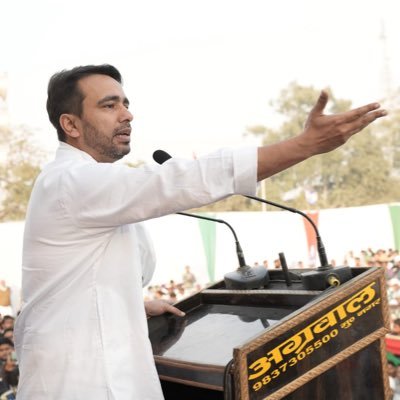
Union Minister of Skill Development and Entrepreneurship Shri Jayant Chaudhary highlighted the significance of these measures in a post on X, describing the Budget as transformative for the education and skills landscape. In his post, Shri Chaudhary said the expansion of AVGC creator labs, support for university townships, provision of girls’ hostels in every district and the reduction in TCS on education collectively reflect a strong commitment to access, dignity and opportunity for learners. He also underscored that the over 62 per cent increase in the Ministry’s budget will accelerate capacity building, promote industry-aligned training and empower India’s youth to lead economic transformation.
With its combined focus on creative education, regional academic infrastructure, women’s inclusion and record investment in skilling, the Union Budget 2026–27 positions education and skills development as a central pillar of inclusive growth, global competitiveness and long-term national transformation.