
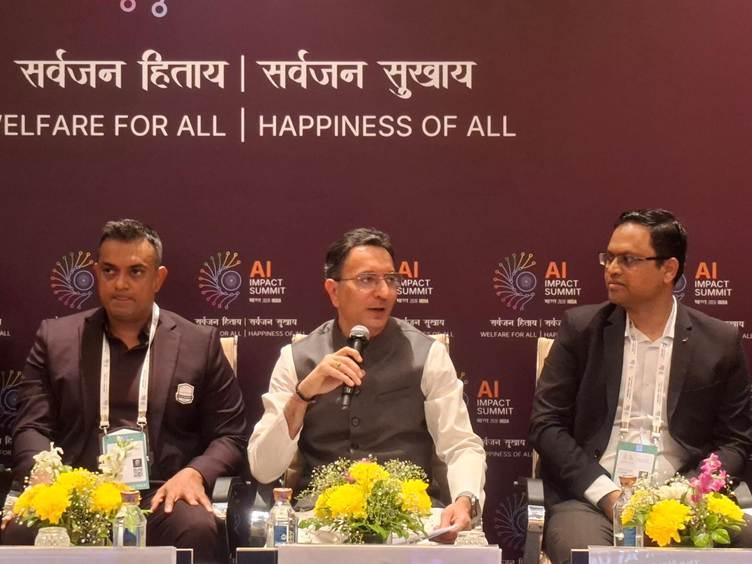
Free Trade Agreements are creating significant opportunities for India’s Micro Small and Medium Enterprises to expand their presence in international markets and integrate into global supply chains. This was highlighted by Union Minister of State for Commerce and Industry and Electronics and Information Technology Jitin Prasada while addressing the FICCI FLO National MSME Awards Ceremony.
Jitin Prasada said that India’s recent trade agreements with major global markets including the European Union, the United Kingdom, Australia and New Zealand are opening new avenues for Indian manufacturers and exporters. These agreements provide Indian businesses with access to a large share of developed markets, enabling MSMEs to strengthen their participation in global value chains and respond to international demand.
He emphasised that MSMEs, which constitute the backbone of the Indian economy, must play a central role in the country’s shift toward quality led growth. According to the Minister, the sector must move beyond a focus on scale and low cost manufacturing and instead prioritise the production of high quality goods that can compete in global markets.
Jitin Prasada noted that nearly 65 percent of developed markets are now covered under India’s Free Trade Agreements. These markets demand high quality standards and compliance with international benchmarks. He added that duty free access to these markets does not mean that substandard products will be allowed into the Indian market. Instead, it requires domestic industries to improve quality, strengthen competitiveness and meet the expectations of both global buyers and Indian consumers.
Highlighting changes in consumer behaviour, he said that Indian consumers, including those in rural areas with access to digital platforms, are increasingly seeking better quality products. This shift is pushing domestic manufacturers to upgrade their production standards and adopt advanced technologies.
The Minister also underlined the importance of technological transformation in strengthening the MSME sector. Artificial Intelligence is emerging as a critical tool across industries such as healthcare, transportation, manufacturing and services. He encouraged MSMEs to adopt AI driven technologies to improve productivity, enhance operational efficiency and support better decision making while reducing routine operational burdens.
Chairman and Managing Director of the National Small Industries Corporation Subhransu Sekhar Acharya stressed the importance of promoting women led development within the MSME ecosystem. He highlighted initiatives focused on digital empowerment, targeted support and skill development to strengthen women entrepreneurship.
Subhransu Sekhar Acharya referred to the Trade Enablement and Marketing initiative promoted by the National Small Industries Corporation. The initiative aims to onboard five lakh MSMEs onto the Open Network for Digital Commerce platform. He said that the programme has set a target of ensuring that at least 50 percent of these enterprises are women led.
National President of FICCI Ladies Organisation Poonam Sharma highlighted the expanding role of women entrepreneurs in India’s economic growth. She said women are emerging as key contributors to innovation and enterprise development across sectors ranging from startups and manufacturing to technology and space.
Poonam Sharma emphasised that MSMEs play a vital role in employment generation, innovation and the strengthening of local economies. Women led MSMEs, she said, are particularly important for promoting inclusive and sustainable development.
She also spoke about the initiatives undertaken by FICCI Ladies Organisation to strengthen women’s economic participation. As the women’s wing of FICCI, the organisation focuses on empowering women through entrepreneurship support, skill development, policy advocacy and leadership mentoring.
Poonam Sharma said the FLO MSME Assist Cell has been established to provide a comprehensive support ecosystem for women entrepreneurs. The platform connects women business owners with industry experts, mentors and specialists who provide guidance on funding opportunities, marketing strategies, business expansion, technology adoption and professional skill development.
The Assist Cell aims to help women entrepreneurs not only establish new enterprises but also scale their businesses sustainably and compete effectively in national and global markets.
During the ceremony, eleven women MSME entrepreneurs were honoured for their contributions and achievements in the sector. The event was also attended by Member of Parliament Anurag Sharma, Head of FLO MSME Initiatives Ruby Garg and several past Presidents of FICCI Ladies Organisation.
The discussions at the awards ceremony highlighted the growing importance of MSMEs in driving India’s economic growth, strengthening exports and promoting innovation, while emphasising the need for quality driven manufacturing and technology adoption to succeed in global markets.