
India observes its 77th Republic Day on 26 January 2026, commemorating the coming into force of the Constitution on 26 January 1950 and reaffirming the country’s commitment to constitutional governance, democratic institutions and plural identity. This year’s celebrations are staged around the central theme 150 Years of Vande Mataram, with enhanced public participation, expanded cultural programming and an emphasis on citizen engagement.
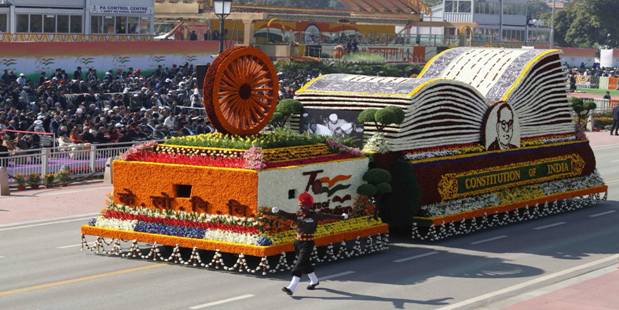
The national ceremony on Kartavya Path will present the annual tableau of India’s military discipline and cultural diversity alongside a larger civic footprint: about 2,500 artists will take part in the cultural presentation and nearly 10,000 special guests drawn from farmers, artisans, innovators, students, sportspersons, beneficiaries of flagship schemes and frontline workers will be present. The President of the European Council and the President of the European Commission will attend as chief guests, reflecting India’s emphasis on international partnerships.
This edition of the parade combines tradition with innovation. For the first time, the Indian Army will stage a Battle Array format alongside conventional marching contingents and service presentations. The programme has been organised to link the Republic Day ceremonies with a nationwide outreach agenda delivered through online platforms such as MyGov and MY Bharat, which hosted competitions in essay writing, painting and song to involve schools, youth groups and creative communities.
Key elements of the 77th Republic Day observance include:
• 30 tableaux presented by States, Union Territories and central ministries built around Swatantrata ka Mantra Vande Mataram and Samriddhi ka Mantra Atmanirbhar Bharat
• A cultural presentation featuring approximately 2,500 artists
• Invitation of about 10,000 special guests representing diverse sectors and regions
• Nationwide citizen engagement through essay painting and singing competitions on the Republic Day theme via the MY Bharat portal
• Inclusion of signature segments such as mechanised columns, service contingents and the Indian Air Force fly past
• Concluding ceremonial sequence culminating in Beating the Retreat on 29 January at Vijay Chowk
Historical context remains central to the observance. The Republic Day date deliberately links India’s constitutional beginning to the freedom movement: the Purna Swaraj proclamation of 26 January 1930 established the goal of complete independence; the Constituent Assembly began its work on 9 December 1946; India attained independence on 15 August 1947; the Constituent Assembly adopted the Constitution on 26 November 1949; and the Constitution came into force on 26 January 1950, formally establishing India as a Sovereign Democratic Republic.
Republic Day therefore combines ceremonial splendour with an educational reading of India’s constitutional journey. Across the country, state capitals, districts, schools and institutions will mark the day through flag hoisting, cultural programmes and public ceremonies that bring the values of the Constitution into the public domain.
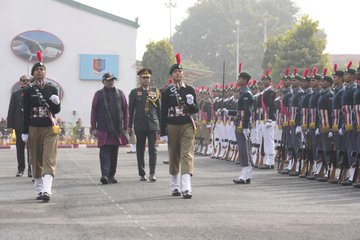
The Kartavya Path ceremony opens with the President’s arrival, national flag unfurling, the 21-gun salute and the National Anthem. Marching contingents from the Army, Navy, Air Force and other uniformed services will display discipline and coordination, while tableaux and cultural performances will highlight regional heritage and national priorities. Awards and honours for gallantry and distinguished service will be presented during the ceremony, and the concluding fly past by the Indian Air Force will bring the parade to a close.
Beating the Retreat on 29 January will mark the formal close of the Republic Day celebrations, a ceremony that traces its origins to a military tradition of signalling the end of the day’s operations and returning troops to camp. This year’s Republic Day combines ceremonial tradition, broader public engagement and a theme-driven focus on India’s cultural heritage and development priorities, aiming to make the national occasion both inclusive and instructive.