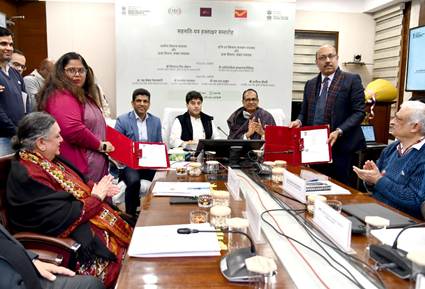

A regional workshop on Tele Law programme activities under the Designing Innovative Solutions for Holistic Access to Justice scheme of the Department of Justice, Ministry of Law and Justice, was organised at Kalaivanar Arangam in Chennai on Saturday with the objective of strengthening technology enabled justice delivery and ensuring last mile access to legal services.
The workshop brought together members of the judiciary, government officials, advocates, representatives of Common Service Centres, law schools, students and civil society organisations to review the progress of the Tele Law initiative and expand stakeholder engagement in improving access to justice.
The event was attended by Rajendra Vishwanath Arlekar, Governor of Tamil Nadu; Sushrut Arvind Dharmadhikari, Chief Justice of the Madras High Court; and Arjun Ram Meghwal, Union Minister of State Independent Charge for Law and Justice. Senior officials of the Department of Justice and representatives from legal institutions also participated in the programme.
Delivering the keynote address, Rajendra Vishwanath Arlekar emphasised the need to integrate technology, legal awareness and community participation to ensure effective justice delivery. He said citizens must understand and respect the law and that the justice system must reach people even in the most remote villages.
He added that strengthening public trust in the judiciary is essential for achieving the vision of a developed India and that initiatives promoting legal awareness and accessibility are crucial to that goal.
Sushrut Arvind Dharmadhikari stated that access to justice is a fundamental constitutional obligation rooted in Articles 14, 21 and 39A of the Constitution. He appreciated initiatives such as Tele Law, Nyaya Bandhu and legal awareness programmes, noting that technology based platforms can significantly strengthen citizen engagement with legal institutions.
He described the DISHA initiative as a legal first aid framework that shifts the focus from traditional legal aid to legal empowerment by enabling citizens to access legal services and information more effectively.
Addressing the gathering, Arjun Ram Meghwal highlighted the importance of using technology to make justice delivery more accessible, affordable and citizen centric. He said programmes such as Tele Law, Nyaya Bandhu and legal literacy initiatives are helping strengthen the justice ecosystem and expanding the reach of legal services to grassroots communities.
Earlier, the Secretary of the Department of Justice outlined the objectives of the DISHA framework and emphasised that awareness is the first step towards empowerment and inclusive justice delivery.
A presentation during the workshop highlighted the progress of the Tele Law programme in Tamil Nadu. Legal services under the initiative are currently being delivered through more than 12,560 Common Service Centres across all 38 districts and 16 aspirational blocks in the state.
Citizens can also access legal assistance through the toll free helpline 14454 and the Tele Law mobile application, which connects beneficiaries with panel lawyers for pre litigation legal advice and support.
During the programme, participants were also shown videos on the Nyaya Oli project implemented through Dr Ambedkar Government Law College Puducherry and the Nyaya Bandhu Pro Bono Legal Services programme.
Officials informed that more than 10,000 advocates have registered under the Nyaya Bandhu initiative as of February 2026. Pro Bono Clubs have also been established in 109 law colleges across the country to encourage voluntary legal services and promote legal awareness among students.
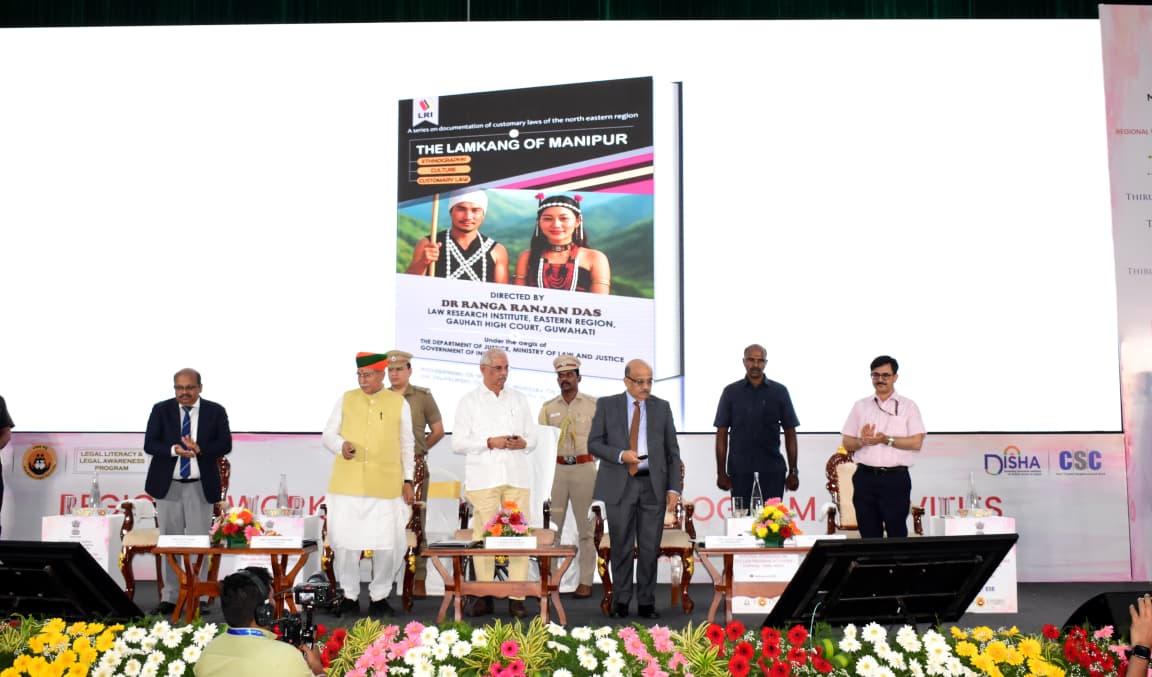
The workshop also witnessed the launch of ten e books documenting customary laws of tribal communities from the North Eastern region. The publications were developed in collaboration with the Law Research Institute of the Gauhati High Court to preserve and promote traditional legal practices.
The programme concluded with a vote of thanks delivered by the Joint Secretary Access to Justice in the Department of Justice, who acknowledged the contributions of participating institutions, legal professionals and stakeholders in strengthening the delivery of legal services through digital platforms.