
By Dr Divya Agarwal
The maximum recorded temperature in Delhi is 43.5°C on 9 June 2026. Down To Earth magazine reported highest ‘feels-like’ temperature of Delhi, where the index spiked to 53.4°C at 5.30 pm on 30 June 2026, highlighting a clear and concerning trend – we are experiencing more heat intensely with each passing year. Temperature is measured commonly in in Celsius. Weather patterns are unpredictable and have been changing suddenly, with no prior signaling by nature. Summers are longer, hotter, and more dangerous. The frequency of heatwaves is continuously increasing, adversely affecting people from all socioeconomic backgrounds. The population with very little protection against heatwaves, that is, the highest exposure, included informal workers and women.
Nature-based Solutions, when effectively implemented by communities, can be the most sustainable options for the Heat Wave Disaster Challenge. Mitigating rising temperatures requires the adoption of a sustainable heat-wave action plan. Adaptation lies in implementing the Best Practicable Environmental Option (BPEO) for the most vulnerable population, which can be implemented by youth as Green Job opportunities. This basic understanding of combatting the heat-wave framework locally adds potential value to innovations in the Green Skill Framework for young creative minds. It invites a sustainable step towards a Green Economy and involvement of youth in Disaster Management. India is globally known for these innovations. In every sector, people are creative and innovative, sometimes coming up with sustainable solutions as business entrepreneurs, and mostly in need of cheaper solutions. Moving across Indian streets, numerous innovative solutions are available that need to be channeled into the formal sustainable framework combatting heat-wave management.
Citing a simple example to understand and implement mitigation and adaption, imagine that a ball is thrown down on a slope, and some children are playing at the bottom. If we take steps to stop the ball at the top — for example, by placing a barrier or preventing it from being thrown — this is mitigation. This implies that addressing the root cause and reducing risk before it causes harm. In case the ball cannot be stopped, it started rolling already, and the focus should be on protecting the children by providing them with safety instructions, making them aware of quick response-based behaviour. Adaptation helps in finding innovative ways of living safely and reducing the adverse impacts of rising temperatures viz. staying hydrated, following local cultural practices of arid regions to stay hydrated.
A wake-up call led by communities involving youth, women, and the general public is the necessity to develop an area-specific Heat Action Plan, which may involve certain general points, such as mobilising communities to create green spaces/gardens, conserving natural resources, adopting sustainable lifestyles, and reducing environmental pollution. These mitigation measures can generate livelihood options for communities via ecotourism.
Adaptation measures can also be an option for green jobs by creating awareness on SOPs for managing heat by avoiding exposure in peak heat hours, developing naturally cooling and ventilated spaces, and adopting sustainable eating habits. Mitigation refers to finding the root causes of rising temperatures and taking up nature-based solutions as a long-term strategy to be implemented in Heat Action Plans.
Inter-departmental coordination among Disaster Management Authorities, Climate Change Research Institutes, Health Departments, Emergency Medical Services, Universities, Higher Education Institutes, Primary and Secondary Education Institutes, Non-Governmental Organizations, Meteorological Departments, Community Networks, Local Institutions, and Workers’ Associations is the most necessary step to translate knowledge into preparedness, effective mitigation, and adaptation. Climate change, combined with the urban heat island effect caused by excessive concrete, shrinking green cover, and pollution, has intensified heat.
A pioneering example of successful heatwave management came from Ahmedabad in the state of Gujarat. The city had the opportunity to launch India’s first Heat Action Plan (HAP) in 2013 when it suffered severe heat stress in 2010. The communities were motivated to establish cooling and green-shaded spaces. Access to clean drinking water is available to combat heat stress. Special care was mentioned for the vulnerable population. Practically viable and sustainable steps were taken for proper planning, community participation, and subsequent implementation of the Heat Action Plan (HAP), viz., early warning systems, public awareness campaigns, training for healthcare workers, and practical steps such as cool roofs and water distribution to reduce heat-related deaths.
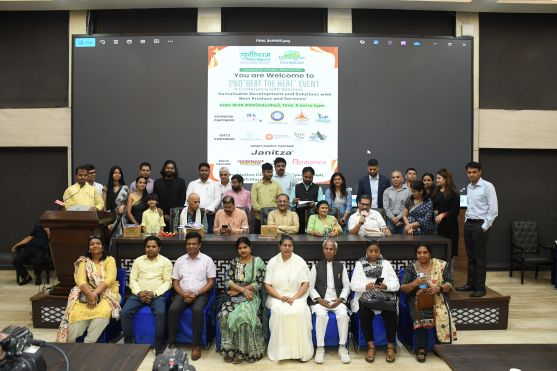
Currently, over 250 cities and districts across 23 states operate with their respective HAPs in India. A successful “Beat the Heat” is not just a campaign. It is about mobilising communities and looking up also an opportunity towards green jobs. Every problem has a solution within it. Implementing a solution for managing heat stress opens a world of green economies. Managing natural resources in a sustainable way is a pathway of green entrepreneurship. Many start-up options have been explored by various national and international organisations, for example, promoting local healthy food options like beverage industry, food processing industry, sustainable restaurants, oxygen cafes, food packaging industry in sustainable food production, ecotourism, sustainable agriculture (agroforestry, organic farming, traditional farming practices), sustainable infrastructure development, electric vehicles, native tree species plantation, etc. The various green job options are opportunities for exploring Heat Stress Management.
The author is Assistant Professor, Jesus and Mary College, University of Delhi and Founder Member, BEAT THE HEAT CAMPAIGN