

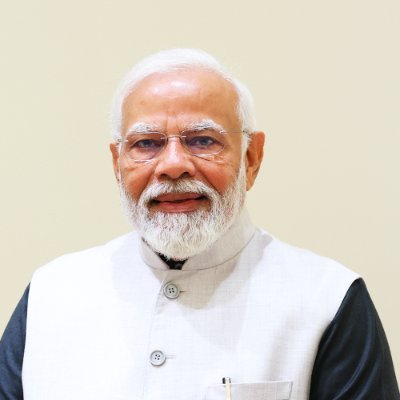
Prime Minister Narendra Modi chaired a meeting of the Cabinet Committee on Security to review the evolving situation arising from the ongoing West Asia conflict and to assess comprehensive mitigation strategies to safeguard India’s economic stability and ensure uninterrupted availability of essential commodities.
The meeting involved a detailed presentation by the Cabinet Secretary outlining the global developments, their potential implications for India and the measures already undertaken by various ministries and departments. A comprehensive sector-wise assessment was carried out, covering agriculture, fertilisers, food security, petroleum, power, MSMEs, exports, shipping, trade, finance and supply chains.
The Cabinet Committee on Security undertook a detailed evaluation of the short-term, medium-term and long-term implications of the conflict on the global economy and its cascading effects on India. The discussions focused on identifying immediate responses as well as long-range strategies to maintain economic resilience and supply chain continuity.
A key focus of the meeting was ensuring the uninterrupted availability of critical resources required by citizens. The Prime Minister reviewed the preparedness related to food security, energy supplies and fuel availability. The government assessed existing stocks and logistics capabilities to ensure that essential commodities remain accessible without disruption across the country.
Special attention was given to the agricultural sector, particularly in view of the upcoming Kharif season. The availability of fertilisers was reviewed in detail, with officials noting that adequate buffer stocks maintained over recent years would ensure timely supply to farmers. In addition, alternative sourcing strategies for fertilisers were discussed to mitigate any future supply risks and to ensure long-term agricultural stability.
The energy sector was also examined comprehensively. It was noted that sufficient coal stocks are currently available at power plants across the country, ensuring that there will be no disruption in electricity supply. Measures to maintain stability in petroleum and energy supply chains were also reviewed to guard against global volatility.
The meeting further deliberated on reducing import dependency in key industrial sectors. Strategies were discussed to diversify sourcing of critical inputs required by chemicals, pharmaceuticals and petrochemicals industries. The objective is to build resilience against global supply shocks while strengthening domestic manufacturing capabilities.
In parallel, the government also explored opportunities to expand India’s export footprint. Plans are being formulated to identify and develop new export destinations to promote Indian goods in global markets, thereby supporting trade continuity and economic growth amid shifting geopolitical dynamics.
The Prime Minister directed that all proposed measures be implemented in a coordinated manner, with active consultation involving stakeholders across sectors. He emphasised the need for a whole-of-government approach and instructed the formation of a dedicated group of ministers and secretaries to oversee and drive coordinated action.
In addition, sector-specific groups will be constituted to engage with industry stakeholders, assess emerging challenges and ensure timely implementation of policy responses. The Prime Minister stressed that such institutional mechanisms are essential to maintain agility and responsiveness in a rapidly evolving global environment.
Highlighting the importance of cooperative federalism, the Prime Minister directed close coordination with state governments to ensure effective monitoring of supply chains and to prevent any instances of black marketing or hoarding of essential commodities. He underscored that safeguarding citizens from inconvenience must remain the highest priority.
The Prime Minister noted that the ongoing conflict in West Asia is a dynamic situation with global ramifications, and reiterated that all arms of government must work collectively to minimise its impact on India. He emphasised that proactive planning, coordinated execution and constant monitoring will be critical in maintaining stability and protecting national interests.
The meeting concluded with a clear directive to ensure that India remains prepared across all sectors, with robust mechanisms in place to manage disruptions, maintain essential supplies and sustain economic momentum.