
India is aiming to transform its sports equipment manufacturing sector into a major export driver with a comprehensive policy roadmap outlined in a new report released by NITI Aayog, projecting a sharp rise in exports and employment generation over the next decade.
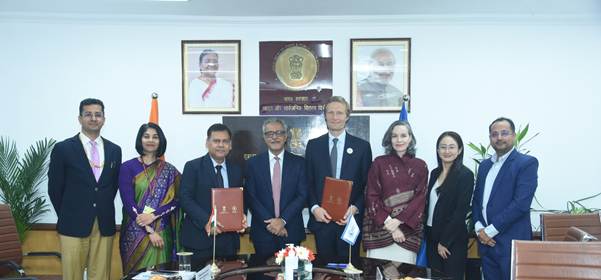
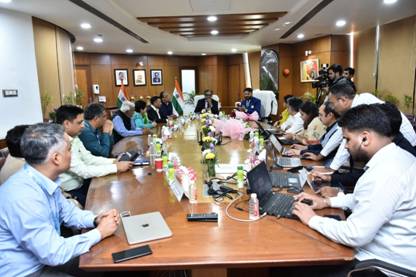
The report titled Realising the Export Potential of India’s Sports Equipment Manufacturing Sector was released by Suman Bery Vice Chairman NITI Aayog in the presence of Arvind Virmani Member NITI Aayog and Nidhi Chhibber CEO NITI Aayog, along with senior officials from the Ministry of Youth Affairs and Sports, state governments and industry representatives.
The report presents a detailed assessment of India’s current capabilities, identifies structural challenges and outlines strategic interventions required to position the country as a competitive global supplier in the sports equipment industry.
Global Market Offers Major Growth Opportunity
The report highlights that the global sports goods market, including apparel, footwear, equipment and accessories, was valued at around 700 billion dollars in 2024 and is projected to exceed 1 trillion dollars by 2036.
Within this, the sports equipment segment alone accounted for approximately 140 billion dollars and is expected to grow to about 283 billion dollars by 2036. Global exports of sports equipment stood at around 52 billion dollars in 2024, driven by rising sports participation, expanding professional leagues and increasing health awareness.
India Holds Small Share With Strong Potential
India currently exports sports equipment worth approximately 275 million dollars annually, accounting for about 0.5 percent of global exports, indicating substantial scope for expansion.
Manufacturing activity is concentrated in clusters such as Jalandhar in Punjab and Meerut in Uttar Pradesh, supported by networks of exporters and micro enterprises. Nearly 90 percent of production is undertaken by MSMEs, underlining the sector’s importance for employment and regional economic development.
India’s domestic sports goods market is estimated at around 2.5 billion dollars, with sports equipment contributing about 0.5 billion dollars, further highlighting untapped growth potential.
Structural Challenges Impact Competitiveness
The report identifies key constraints affecting India’s global competitiveness. Indian manufacturers face a cost disadvantage of 15 to 20 percent compared to competitors such as China and Pakistan.
This disadvantage is attributed to high customs duties on critical raw materials including carbon fibre, EVA foam and polyurethane materials, high certification costs, logistics inefficiencies, limited access to advanced manufacturing technologies and weak integration with global supply chains.
The sector also faces challenges related to branding, limited global visibility and insufficient linkages with international sports brands and procurement networks.
Policy Roadmap Targets Manufacturing Scale Up
To address these challenges, the report proposes a comprehensive strategy to strengthen manufacturing capabilities and enhance export competitiveness.
Key recommendations include rationalisation of duties on raw materials, technology upgradation support for MSMEs, and the creation of shared testing and certification infrastructure to meet global standards.
The roadmap also proposes development of four new greenfield sports manufacturing clusters in port proximate states and modernisation of existing clusters in Meerut and Jalandhar. A strong focus has been placed on developing a global Brand India identity for sports equipment.
The plan envisages an investment of approximately 7500 crore between 2027 and 2031 to build a robust ecosystem and support long term growth.
Exports And Employment Set For Sharp Growth
If the proposed measures are implemented effectively, India’s sports equipment exports are projected to rise from 275 million dollars in 2024 to about 8.1 billion dollars by 2036. This would increase India’s global export share from 0.5 percent to around 11 percent.
The expansion is expected to generate nearly 54 lakh additional jobs, particularly within MSME driven clusters, significantly boosting employment in manufacturing.
Leveraging Global Sporting Events
The report underscores that a series of upcoming global sporting events, including India’s proposed bid to host the 2036 Olympic Games, present a major opportunity for Indian manufacturers to integrate into global supply chains.
Suman Bery emphasised that strengthening quality standards, innovation and global linkages will be critical for India’s ambition to emerge as a global manufacturing hub.
Arvind Virmani highlighted the need for coordinated policy action to build a globally integrated ecosystem, while Nidhi Chhibber stressed the importance of improving cost competitiveness, technology adoption and market access.
The report is based on extensive consultations with over 50 stakeholders across industry, government and research institutions and provides an evidence based framework to unlock the sector’s full export potential.